
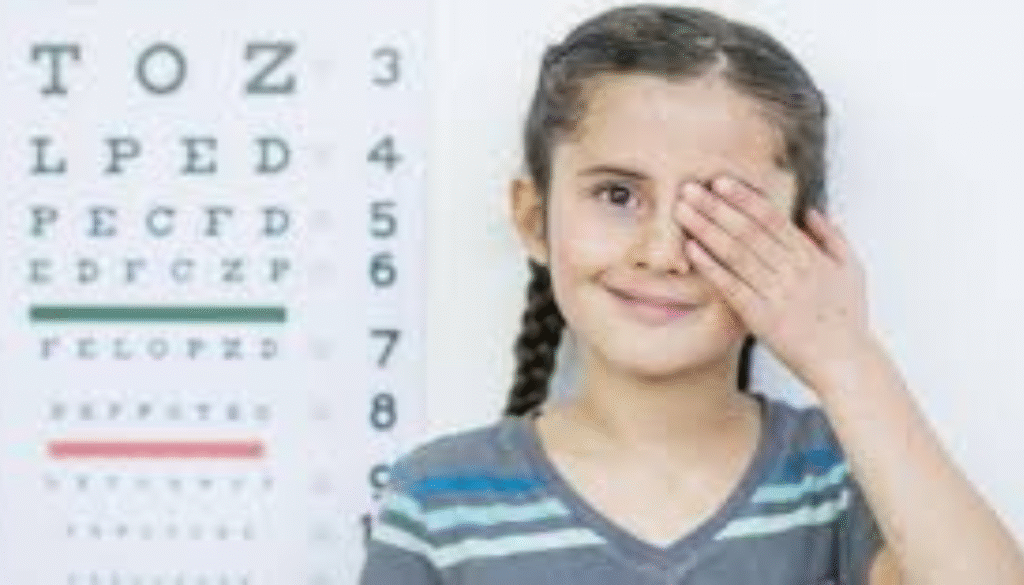
As parents, educators, and healthcare providers, we spend a lot of time making sure children are growing up strong and healthy. Vision screening is a quick, simple check to identify possible visual impairments in children. We track their height, their weight, their immunisations, their speech milestones—and rightly so. But there’s one crucial aspect of a child’s development that often slips through the cracks: their vision.
It’s easy to assume a child will speak up if they can’t see clearly. But the truth is, most children don’t even realise they have a vision problem. To them, the world is just the way it is—blurry, doubled, or strained. And when undetected, vision issues can quietly hold them back from learning, socialising, and thriving.
As parents, educators, and healthcare providers, we spend a lot of time making sure children are growing up strong and healthy. We track their height, their weight, their immunisations, their speech milestones—and rightly so. But there’s one crucial aspect of a child’s development that often slips through the cracks: their vision.
It’s easy to assume a child will speak up if they can’t see clearly. But the truth is, most children don’t even realize they have a vision problem. To them, the world is just the way it is—blurry, doubled, or strained. And when undetected, vision issues can quietly hold them back from learning, socializing, and thriving.
As parents, educators, and healthcare providers, we spend a lot of time making sure children are growing up strong and healthy. We track their height, their weight, their immunizations, their speech milestones—and rightly so. But there’s one crucial aspect of a child’s development that often slips through the cracks: their vision.
It’s easy to assume a child will speak up if they can’t see clearly. But the truth is, most children don’t even realize they have a vision problem. To them, the world is just the way it is—blurry, doubled, or strained. And when undetected, vision issues can quietly hold them back from learning, socializing, and thriving.
As parents, educators, and healthcare providers, we spend a lot of time making sure children are growing up strong and healthy. We track their height, their weight, their immunizations, their speech milestones—and rightly so. But there’s one crucial aspect of a child’s development that often slips through the cracks: their vision.
It’s easy to assume a child will speak up if they can’t see clearly. But the truth is, most children don’t even realize they have a vision problem. To them, the world is just the way it is—blurry, doubled, or strained. And when undetected, vision issues can quietly hold them back from learning, socializing, and thriving.
As parents, educators, and healthcare providers, we spend a lot of time making sure children are growing up strong and healthy. We track their height, their weight, their immunizations, their speech milestones—and rightly so. But there’s one crucial aspect of a child’s development that often slips through the cracks: their vision.
It’s easy to assume a child will speak up if they can’t see clearly. But the truth is, most children don’t even realize they have a vision problem. To them, the world is just the way it is—blurry, doubled, or strained. And when undetected, vision issues can quietly hold them back from learning, socializing, and thriving.
As parents, educators, and healthcare providers, we spend a lot of time making sure children are growing up strong and healthy. We track their height, their weight, their immunizations, their speech milestones—and rightly so. But there’s one crucial aspect of a child’s development that often slips through the cracks: their vision.
It’s easy to assume a child will speak up if they can’t see clearly. But the truth is, most children don’t even realize they have a vision problem. To them, the world is just the way it is—blurry, doubled, or strained. And when undetected, vision issues can quietly hold them back from learning, socialising, and thriving.
That’s where vision screening comes in. It’s not just a test—it’s a tool for unlocking potential.
What Is Vision Screening?
Vision screening is a quick, simple check to identify possible visual impairments in children. It doesn’t replace a full eye exam by an optometrist or ophthalmologist, but it serves as an early-warning system. The goal is to catch problems before they affect development, education, and quality of life.
Typically done in pediatric checkups, schools, or community clinics, screenings can detect common issues such as:
-
Nearsightedness (myopia) – trouble seeing things far away
-
Farsightedness (hyperopia) – trouble seeing things up close
-
Astigmatism – distorted or blurry vision at any distance
-
Amblyopia (lazy eye) – reduced vision in one eye, often without obvious signs
-
Strabismus (crossed or misaligned eyes) – where the eyes don’t work together properly
Why Early Detection Matters
The first few years of a child’s life are a critical window for visual development. The brain is still learning how to process images from the eyes. If one or both eyes aren’t functioning properly, the brain may start to “ignore” them—leading to permanent vision loss if left untreated.
Here’s what’s at stake:
1. Learning and Academic Performance
It’s estimated that up to 80% of learning in early childhood is visual. Children with undiagnosed vision problems may struggle to read, write, pay attention, or even sit still. Sometimes, a child diagnosed with ADHD is actually just squinting to see the board.
2. Social Development
Imagine trying to play sports, read facial expressions, or even join in group games if you can’t see well. Vision issues can impact confidence, social interactions, and emotional wellbeing.
3. Physical Safety
Poor depth perception or blurry vision can lead to more accidents, from tripping over toys to being hit by a ball in gym class.
4. Future Eye Health
Catching conditions early—like amblyopia or strabismus—can often mean full correction or significant improvement. After a certain age, treatment becomes more difficult, and permanent vision loss becomes more likely.
When Should Children Be Screened?
The American Academy of Paediatric recommends vision screening:
-
At birth – A basic eye check for newborns
-
6 months – 3 years – Observational checks for eye alignment and response
-
3 to 5 years – Formal vision screening with charts or photoscreeners
-
Annually or biannually in school-aged children
If there’s a family history of vision problems or any developmental concerns, screenings may need to happen more frequently.
A Simple Test, A Lifetime of Difference
One of the most heartwarming moments in pediatric care is when a child tries on their first pair of glasses and suddenly sees the world in sharp detail—leaves on trees, words on a page, their parent’s smile.
That’s the power of vision screening.
In a world where so much of success is built on sight—reading, learning, playing, connecting—ensuring that every child has healthy vision isn’t just a health issue. It’s a matter of equity, education, and empowerment.
So the next time you schedule a check-up or sign a school consent form, remember: those five minutes of vision screening could change the course of a child’s life.