
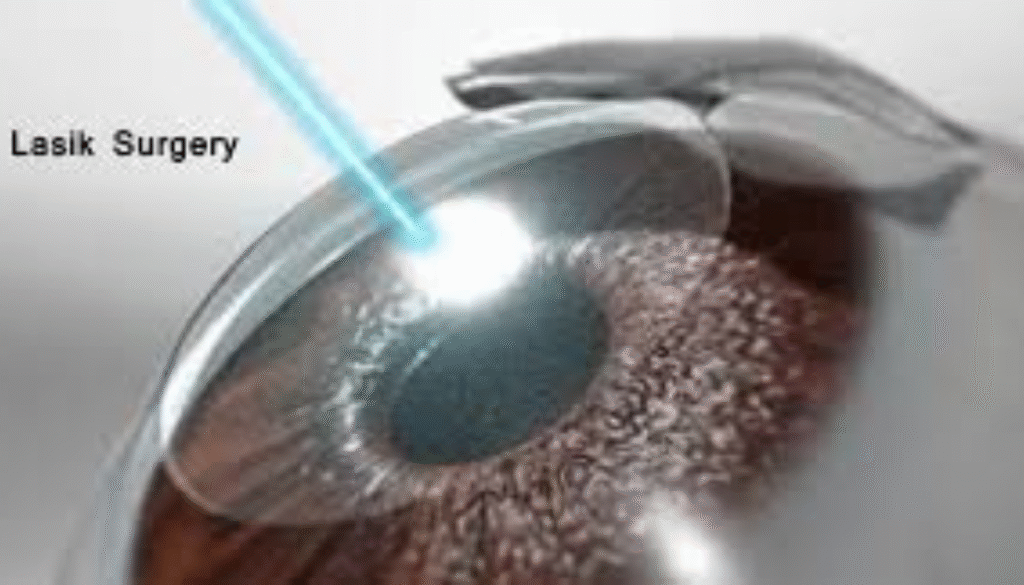
You might have thought about LASIK surgery if you’ve ever envisioned waking up with perfect vision—without the need for glasses or contacts. Millions of people have benefited from this well-liked eye operation, but is it the best option for you? We’ll go over the definition of LASIK surgery, its operation, advantages and disadvantages, and things to think about before deciding in this blog.
What Is LASIK Surgery?
A form of refractive eye surgery called LASIK (Laser-Assisted In Situ Keratomileusis) is intended to treat common visual issues such astigmatism, hyperopia, and nearsightedness (myopia). Clearer vision results from the procedure’s reshaping of the cornea, the transparent front portion of the eye, which ensures that light entering the eye is appropriately focused onto the retina.
The majority of patients report better vision within 24 to 48 hours after the operation, which usually takes less than 30 minutes.
The Advantages of Laser Eye Surgery (LASIK)
- Fast Recovery: Within a day or two, many patients resume their regular activities.
- Long-Term Vision Correction: LASIK usually produces effects that last for a long time with little need for follow-up operations.
- No More Contacts or Glasses: Over time, this may result in more savings and convenience.
- High Satisfaction Rates: Research indicates that more than 95% of LASIK patients are happy with its outcomes.
Possible Hazards(Risk) and Adverse Reactions
Even though LASIK is usually safe, there are still certain dangers associated with the surgical procedure:
- Dry Eyes: One typical side effect is dry eye, which can be either temporary or persistent.
- Halos or Glare: Especially at night, some patients experience starbursts, halos, or glare.
- Under corrections or Over corrections: In rare instances, you may need a second surgery or your vision may not be completely repaired.
- Loss of eyesight: Although incredibly uncommon, problems may lead to a decline in the quality of eyesight.
Do You Need LASIK Surgery?
The big question now is: Are you a candidate for LASIK surgery?
Here are some important things to think about:
✅ Ideal Candidates:
-
Aged 18 or older with stable vision for at least a year
-
Healthy eyes with no significant eye diseases
-
Not pregnant or nursing
-
Have a prescription within treatable range
❌ Not Ideal for:
-
Those with severe dry eyes or thin corneas
-
People with autoimmune disorders
-
Individuals with unstable vision or certain eye conditions like glaucoma or cataracts
The Value of a Consultation for LASIK
A thorough eye examination and consultation with a licensed ophthalmologist are the only ways to determine whether LASIK is a good option for you. In order to decide whether you are a good candidate for the treatment, they will examine your eyes and talk about your medical history.
In conclusion
Is LASIK surgery something you should consider? It’s a personal choice that should be guided by your long-term vision objectives, lifestyle, and eye health. Many people find that LASIK improves their quality of life and allows them to be free of contacts and glasses. Making an informed decision, however, requires knowing the risks and likely results.